
Running a small business feels exciting. You build something from scratch. You serve customers. You chase growth.
But one unexpected lawsuit can wipe out years of hard work.
That’s where business liability insurance steps in. It protects your company from legal claims, medical costs, and financial losses. If you own a small business, this coverage is not optional it’s essential.
In this complete guide, you’ll learn:
- What business liability insurance covers
- Types of liability insurance for small businesses
- How much it costs
- Who needs it
- How to choose the right policy
- Trusted sources and real-world facts
Let’s break it down in simple terms.
What Is Business Liability Insurance?
Business liability insurance protects your company if someone claims your business caused injury, property damage, or financial loss.
For example:
- A customer slips in your shop.
- You accidentally damage a client’s property.
- Someone claims your service caused financial harm.
Instead of paying legal fees and settlements from your pocket, your insurer covers eligible costs.
According to the U.S. Small Business Administration (SBA), liability insurance helps protect businesses from lawsuits and claims that may arise during normal operations. Lawsuits can cost thousands sometimes millions of dollars.
No small business wants that surprise.
Why Small Businesses Need Liability Insurance
Many owners think, “I’m too small to get sued.”
That’s risky thinking.
The U.S. Chamber of Commerce reports that small businesses face legal risks similar to large companies, especially in customer-facing industries.
Here’s why coverage matters:
- Legal defense costs can exceed $10,000 even for minor claims.
- Medical bills from injuries can rise quickly.
- One claim can drain working capital.
You insure your car.
You insure your home.
Why wouldn’t you insure your business?
Types of Business Liability Insurance
Not all liability insurance works the same way. Let’s look at the main types small businesses should consider.
1. General Liability Insurance
This is the foundation.
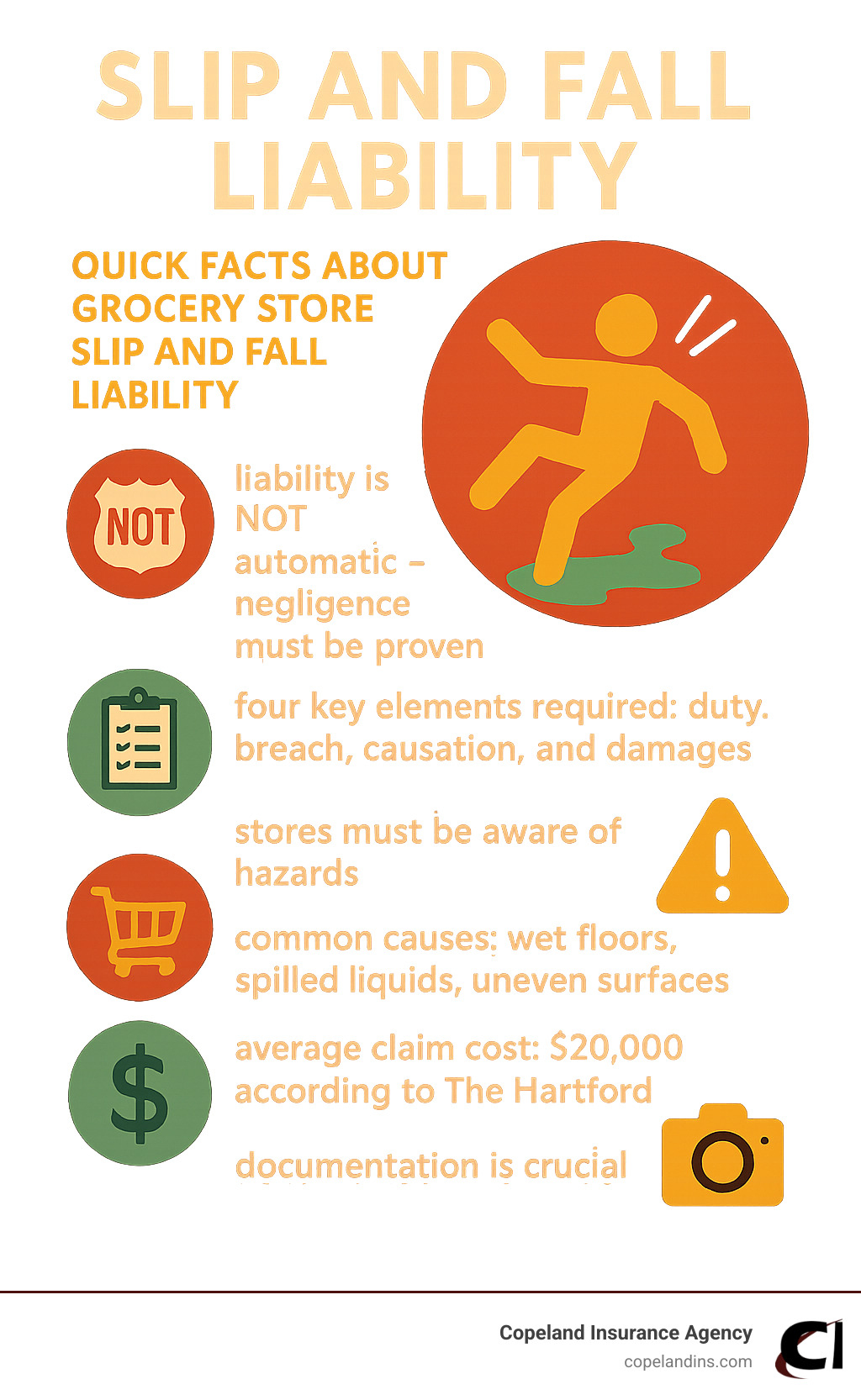



General liability insurance covers:
- Bodily injury (customer slips and falls)
- Property damage
- Legal defense costs
- Advertising injury (like copyright claims)
According to the Insurance Information Institute (III), general liability insurance protects businesses against common risks involving customers and third parties.
If you only buy one policy, start here.
2. Professional Liability Insurance (Errors & Omissions)
If you provide services or advice, this one matters.
Also called E&O insurance, it covers:
- Negligence claims
- Mistakes in professional services
- Missed deadlines
- Financial loss due to your advice
Examples:
- An accountant makes a tax filing error.
- A marketing consultant’s campaign causes client losses.
- An IT consultant’s mistake leads to downtime.
Even if you did nothing wrong, legal defense costs money. This policy protects you.
3. Product Liability Insurance
If you manufacture, distribute, or sell products, you face product risk.
This coverage protects against claims that your product:
- Caused injury
- Caused property damage
- Had defects
For example:
- A faulty appliance overheats.
- A skincare product causes an allergic reaction.
According to the U.S. Consumer Product Safety Commission (CPSC), product-related injuries lead to thousands of emergency visits each year. Businesses selling physical goods should not ignore this coverage.
4. Cyber Liability Insurance
Today, even small businesses store data.
Emails. Payment information. Customer records.
Cyber attacks don’t just target big brands. The Federal Trade Commission (FTC) regularly warns small businesses about rising cyber threats.
Cyber liability insurance covers:
- Data breaches
- Notification costs
- Legal fees
- Cyber extortion
- Recovery expenses
If you accept online payments or store customer data, consider this seriously.
5. Employer’s Liability Insurance
If you have employees, you likely need workers’ compensation insurance (required by law in most states).
Employer’s liability insurance often comes as part of workers’ comp and covers lawsuits related to workplace injuries not fully covered under workers’ compensation.
Check your state laws to understand mandatory coverage.
What Does Business Liability Insurance Cover?
Coverage depends on the policy, but typically includes:
- Legal defense costs
- Court judgments
- Settlements
- Medical payments
- Property damage claims
One key point: legal defense costs alone can exceed policy premiums for years.
That’s why businesses invest in protection early.
What Is NOT Covered?
No policy covers everything.
Most liability policies exclude:
- Intentional wrongdoing
- Criminal acts
- Employee injuries (covered under workers’ comp)
- Auto accidents (covered by commercial auto insurance)
- Contractual liabilities not specified
Always read policy terms carefully. Never assume.
How Much Does Business Liability Insurance Cost?
Costs vary by:
- Industry
- Location
- Business size
- Revenue
- Claims history
- Coverage limits
According to data referenced by the Insurance Information Institute and small business insurers, general liability policies for small businesses often start around a few hundred dollars per year, but high-risk industries pay more.
For example:
- Freelancers often pay less.
- Construction businesses pay more.
- Product manufacturers face higher premiums.
Your risk profile drives pricing.
How Much Coverage Do You Need?
Most small businesses choose limits like:
- $1 million per occurrence
- $2 million aggregate
But don’t copy others blindly.
Ask:
- Do clients require specific limits?
- Do contracts demand coverage?
- What is the worst-case lawsuit scenario?
If you sign contracts with corporate clients, they often specify minimum liability limits.
Who Needs Business Liability Insurance?
Short answer: almost everyone running a business.
You definitely need it if you:
- Interact with customers in person
- Visit client locations
- Sell physical products
- Offer professional advice
- Store customer data
- Have employees
Even home-based businesses face risk.
Yes, even if you work from your living room.
Real-World Example
Imagine this scenario:
A customer visits your small bakery. They slip on a wet floor and fracture their wrist. Medical bills reach thousands of dollars. They file a lawsuit.
Without insurance?
You pay legal fees and damages yourself.
With general liability insurance?
Your policy handles eligible expenses.
The difference can determine whether your business survives.
How to Choose the Right Business Liability Insurance
Follow these steps:
1. Assess Your Risk
Ask:
- What could go wrong?
- Who interacts with my business?
- Do I provide advice?
- Do I sell products?
List real risks.
2. Compare Quotes
Never accept the first quote.
Compare:
- Coverage limits
- Exclusions
- Deductibles
- Reputation of insurer
Check ratings from agencies like A.M. Best to assess financial strength.
3. Understand Policy Language
Insurance contracts contain legal language.
If you don’t understand something, ask your agent.
Never guess.
4. Review Annually
Your business grows.
Your risk changes.
Review coverage each year to avoid gaps.
Business Liability Insurance vs. Business Owner’s Policy (BOP)
Many small businesses buy a Business Owner’s Policy (BOP).
A BOP typically combines:
- General liability insurance
- Commercial property insurance
According to the SBA, bundling coverage often reduces costs compared to buying separate policies.
If you operate from a physical location, a BOP may offer better value.
Common Mistakes Small Business Owners Make
Let’s keep this practical.
1. Waiting Too Long
Many owners buy insurance only after a problem appears.
That’s too late.
2. Choosing the Cheapest Policy
Cheap policies often carry:
- Low coverage limits
- Major exclusions
- High deductibles
Cheap today can become expensive tomorrow.
3. Ignoring Contract Requirements
If a client requires proof of insurance and you don’t have it, you may lose business.
Insurance can help you win contracts.
How Liability Insurance Builds Trust
Insurance does more than protect money.
It builds credibility.
Clients feel safer when they know:
- You carry coverage
- You operate professionally
- You manage risk responsibly
In competitive industries, that trust matters.
Frequently Asked Questions (FAQs)
Is business liability insurance legally required?
General liability insurance is not always legally required, but certain industries and contracts require it. Workers’ compensation is mandatory in most states if you have employees.
Can a sole proprietor get liability insurance?
Yes. Sole proprietors face personal financial risk because business and personal assets may not be legally separate.
Does LLC status replace insurance?
No. An LLC provides legal separation, but it does not pay legal defense costs or settlements. Insurance still plays a crucial role.
How fast can I get coverage?
Many insurers offer same-day coverage once underwriting completes.
Is business liability insurance tax deductible?
According to the IRS, ordinary and necessary business expenses including insurance premiums are generally deductible. Consult a tax professional for confirmation.
Final Thoughts: Protect Before You Regret
Running a small business involves risk. Smart owners manage it instead of ignoring it.
Business liability insurance protects your hard work, reputation, and future.
One lawsuit should not end your journey.
Review your risks.
Compare policies.
Choose trusted insurers.
Then focus on growth with confidence.
Because entrepreneurship already comes with enough surprises your insurance bill shouldn’t be one of them.